
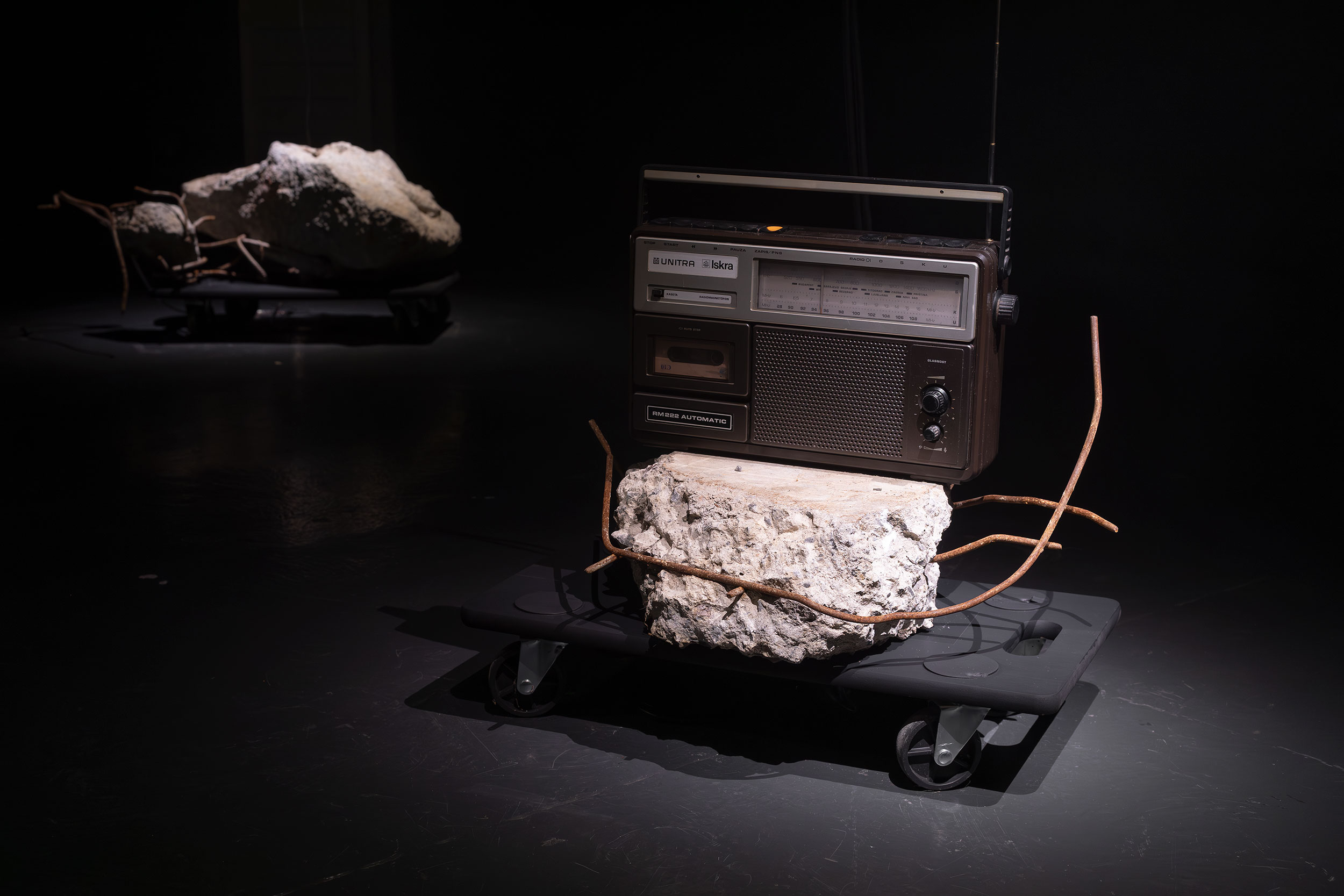
The Game takes its name from the attempts made by asylum-seekers to reach the EU via the overland border between Bosnia and Croatia. Located on the so-called Western Balkan migrant route—and only 10 kilometres from the border—Bihać has for the last 15 years been used as a point from which to attempt ‘the game’. Visible from the nearby monument on Garavice Hill is the local cemetery which contains a small, unkempt plot of graves of many who did not succeed—either drowning in the Una river after jumping off the trainline which snakes along beside it, encountering bears or unexploded land mines from the 90’s wars, or as a result of injuries sustained by the brutal push-backs administered by the Croatian border police. The monument, symbolising twelve weeping mothers looking out over their fallen children from the National War of Liberation (WWII), now takes on new meaning. 
Additionally, the title references the local football stadium which at the height of the migrant crisis was used as a makeshift refuge for asylum-seekers. In contrast to the rising authoritarianism in Europe at present which manifests as increasingly harsh immigration policies, Bihać was the first region liberated from Nazi-allied forces in WWII. It was here that the founding principles of Yugoslavia, including its anti-colonial engagement with the global south were first fleshed out, guided by the Partisan call-to-arms ‘Smrt fašizmu, sloboda narodu’ (Death to fascism, freedom to the people).
The composition unfolds over nine thematic chapters (five of which feature in this excerpt), each focusing on one part of the constellational matrix of sites related to Garavice. The composition progresses through abandoned spaces used as makeshift asylum-seeker accommodation, game day at the local football stadium, the fields around Garavice, a border crossing, and archives related to the site, concluding at the point at which a group of asylum-seekers prepare to make a covert, nighttime border crossing. Interludes highlight the geological settings of these locations, while at other points field notes appear in the form of voice over, ruminating on the listening process.
The Game was first exhibited as a 60-minute, 22-channel sound installation incorporating geological and found objects activated by exciters and reclaimed speaker components, in Naarm/Melbourne in February 2026.
//
Bio
D A Calf is a Naarm/Melbourne-based sound and installation artist and researcher, working predominantly with sound, text and photography to explore the remnants and dormant possibilities of failed modernisms. Through field work and archival research his practice contends with archives—impossible, hidden, contested, and otherwise—of place.
www.dacalf.com
www.instagram.com/d_a_calf
//
Monthly Archives: May 2026
Show 1103 : “Learning AI How To Dream” by Sebastian Dingens (Radio Campus Bruxelles)
Dreaming is an essential activity in processing experiences and witnessed events. It helps us construct a sense of identity, reality and can (partly) help to process traumatic experiences.
Since AI is constantly confronted with the most violent content on the internet, the Sonic Research Kitchen thinks it is very important that we learn this new technology how to dream. How else can we expect it to process all the violence it encounters on the internet?
If we don’t act now, we’d better reserve the poor thing a spot on the waiting list for a decent psychotherapist.
This is our humble contribution in trying to learn AI to dream. With many thanks to the contributors who preferred to stay anonymous.
Yours truly,
Sebastian Dingens,
for the Sonic Research Kitchen.
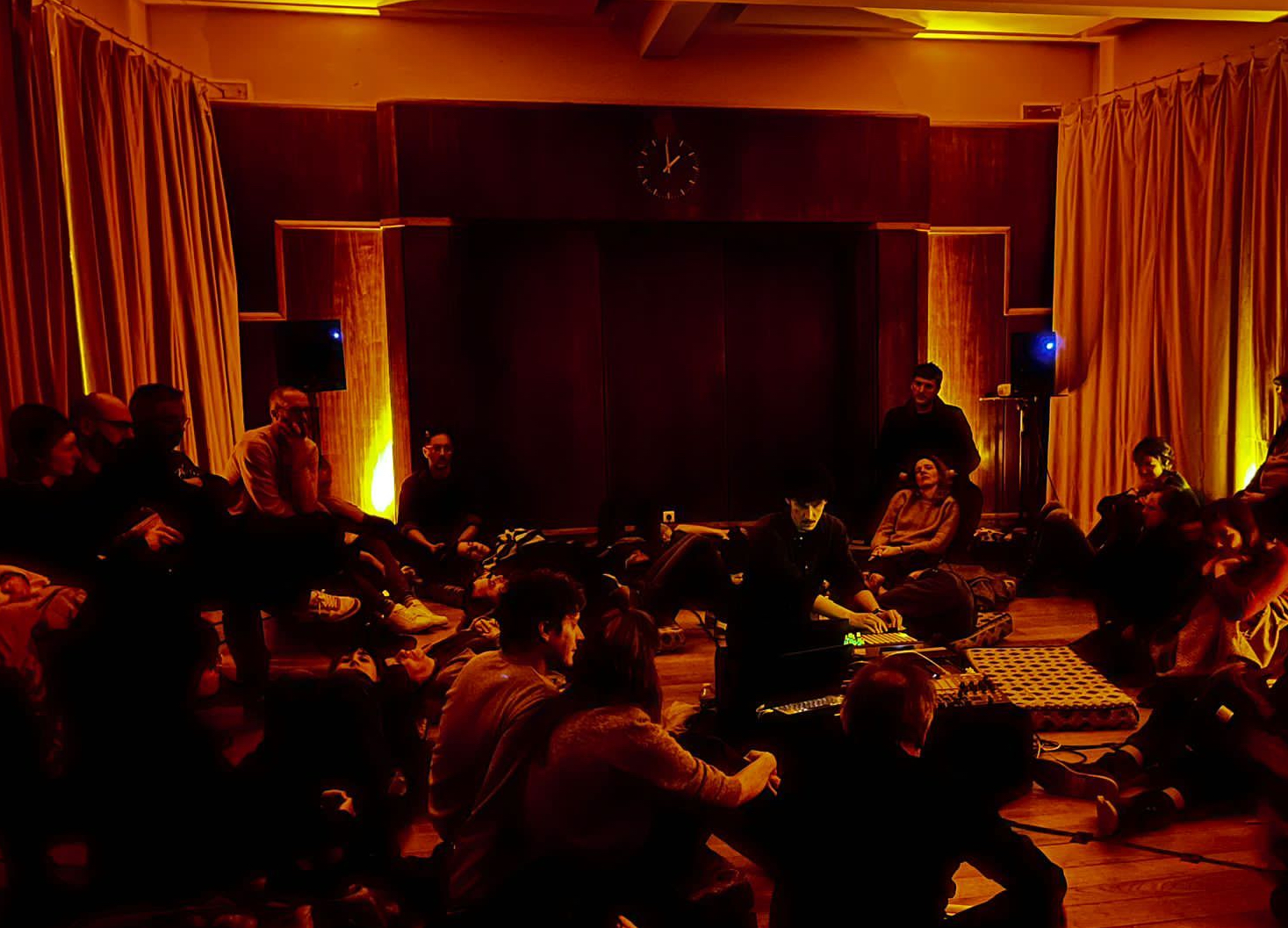
About Sebastian Dingens
Sebastian Dingens plays around, and calls it research. He lets his mind drift and calls it improvisation. He makes drawings and calls them compositions. He turns knobs and calls it synthesis. He fiddles with recorded sounds and calls it radiophonic. But he is very serious about all of these things.
AI says that he works at the intersection of experimental music, listening practices, radio and sonic research.
He is fascinated by processes of geological erosion, processes of forgetting and the emergence of memories of never-lived experiences.
The truth, in the end, is one’s own perception of reality.
_________________
cardboard cartoon figures of board surfers on waves of distant ice ages publicity for pubic hair and wrinkled bellies
anorexic skeletons disguised as bones of dinosaurs
fascinating drawings of young children,
curiously smiling with white teeth of disillusion
In a state of introvert depression rage I go to war,
I go to fight my own anger
with the violence of my own blood
on the brown battlefield under a dessert of black clouds
I am seeing myself standing there
but I am looking inward with closed eyes
fatigued by useless attempts to stay human in a hopelessly sick world
________________________________
there’s an impenetrable forest,
a forest inside myself
and inside this forest, there’s a clearing. I am standing there,
in the middle of the clearing
of the forest
inside of myself
there’s no animals moving about.. except for insects
small little insects
crawling around
with the speed of light
….
segmented legs
weird flies
…
a thousand faceted eyes
observe me
I feel their gaze piercing
my own
harnass
….
through bark and bush
there’s only a slow peculation of light
a glimmering reflection
of what used to be hope
seeps through the leaveless branches of berches pale bodied
their skinns inscribed with badly healed wounds as if this groove remembers
a wound I have not yet spoken
…
But if we change perspective ….
I am sitting in front of the open window my legs are a curtain
through the open window
I see a field of refined flowers wheeping, still in the wind
there’s a lot of berchtrees.
my skinn is waving
it is a waving curtain
my skinn is a curtain, waving in the wind ….
the waving enlightens in me a burning desire
the waving enlightens in me an inseasable desire …
and through the open window I see
…
cardboard cartoon figures of board surfers on waves of distant ice ages publicity for pubic hair and wrinkled bellies
anorexic skeletons disguised as bones of dinosaurs
fascinating drawings of young children,
curiously smiling with white teeth of disillusion
In a state of introvert depression rage I go to war,
I go to fight my own anger
with the violence of my own blood
on the brown battlefield under a dessert of black clouds
I am seeing myself standing there
but I am looking inward with closed eyes
fatigued by useless attempts to stay human in a hopelessly sick world
– – –
Radia show curated by Carine Demange for Radio Campus Bruxelles.
Show 1102 : The economic trip | JBI (Radio Grenouille)
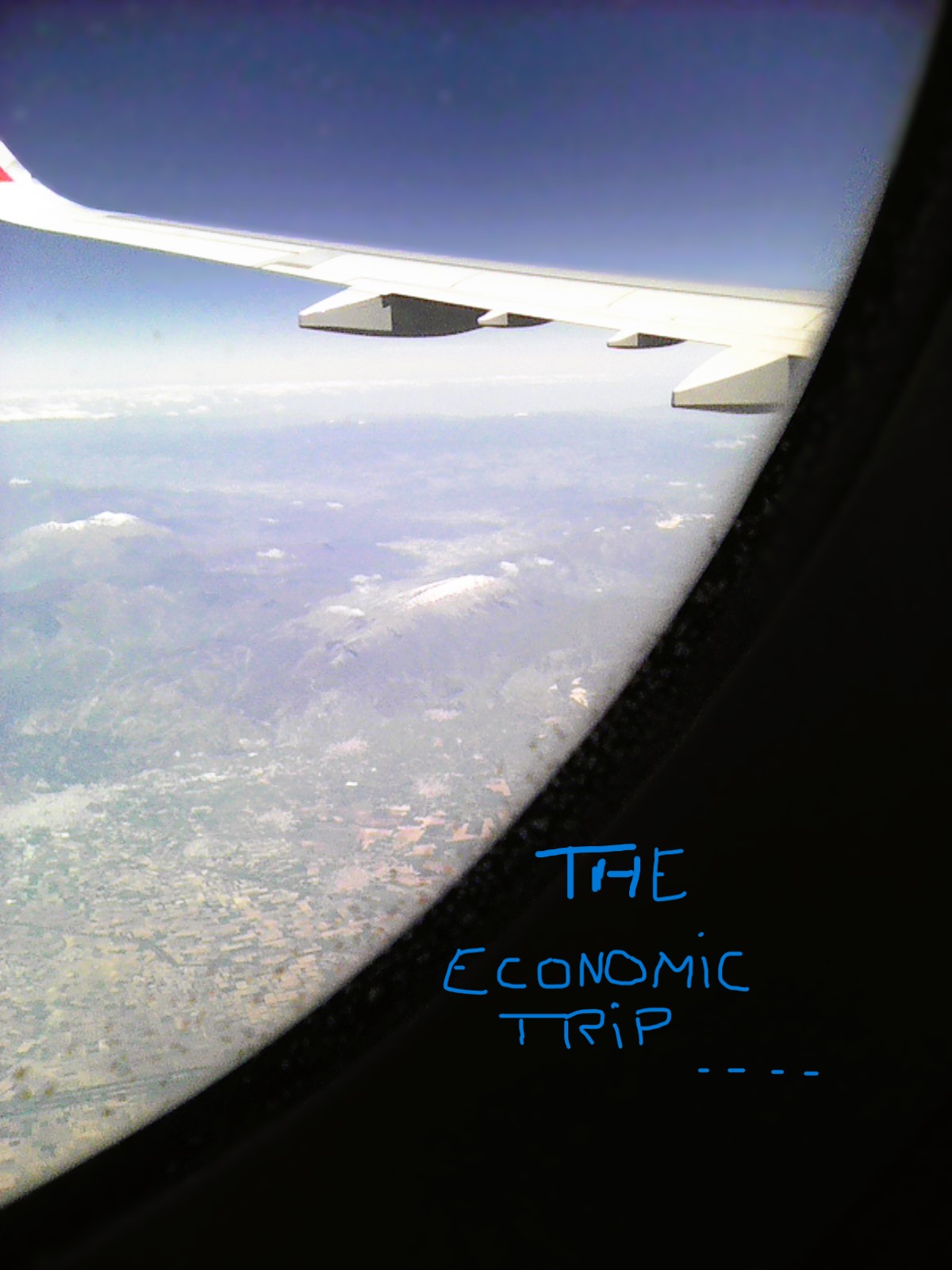
A journey
Questions
What is the difference between a metro and an airplane ?
Between a shopping center and an airport ?
What does the light energy and the roaring sound of these mechanical movements tell us ?
2,364 meters above the ground. Drink a sip of water, 4,901 meters above the ground ;
“Would you like an apple juice, pepsi, coffee ? Milk, sugar ?”
A café at an altitude of 5548 meters.
It happens every day.
There are sparrows in Istanbul airport. On the trees.
On the trees that are in pots, IN the airport terminal.
A bird people in a cage, surrounded by metal birds, which fly high.
Who authorized me to take their place ?
It’s the economic one.
The economic trip.
radia_s57_n1102_ Le voyage économique
Radio Grenouille
Un trajet
Des questions
Quelle différence entre métro et avion ?
Entre un centre commercial et un aéroport ?
Que nous dit l’énergie lumineuse et les vrombissements de ces déplacements mécaniques ?
2364 mètres au-dessus du sol. Boire une gorgée d’eau, à 4901 mètres du sol ;
« Voulez-vous un jus de pomme, pepsi, café ? Du lait, du sucre ? »
Ça se passe tous les jours.
Il y a des moineaux dans l’aéroport d’Istanbul. Sur les arbres.
Sur les arbres qui sont en pot, DANS le terminal de l’aéroport.
Un peuple d’oiseau en cage, entouré d’oiseaux de métal, qui eux, volent haut.
Qui m’a autorisé à prendre leur place ?
C’est l’économique.
Le voyage économique.
Show 1101: Embedded Memories by Jimmy Peggy (radioart106)
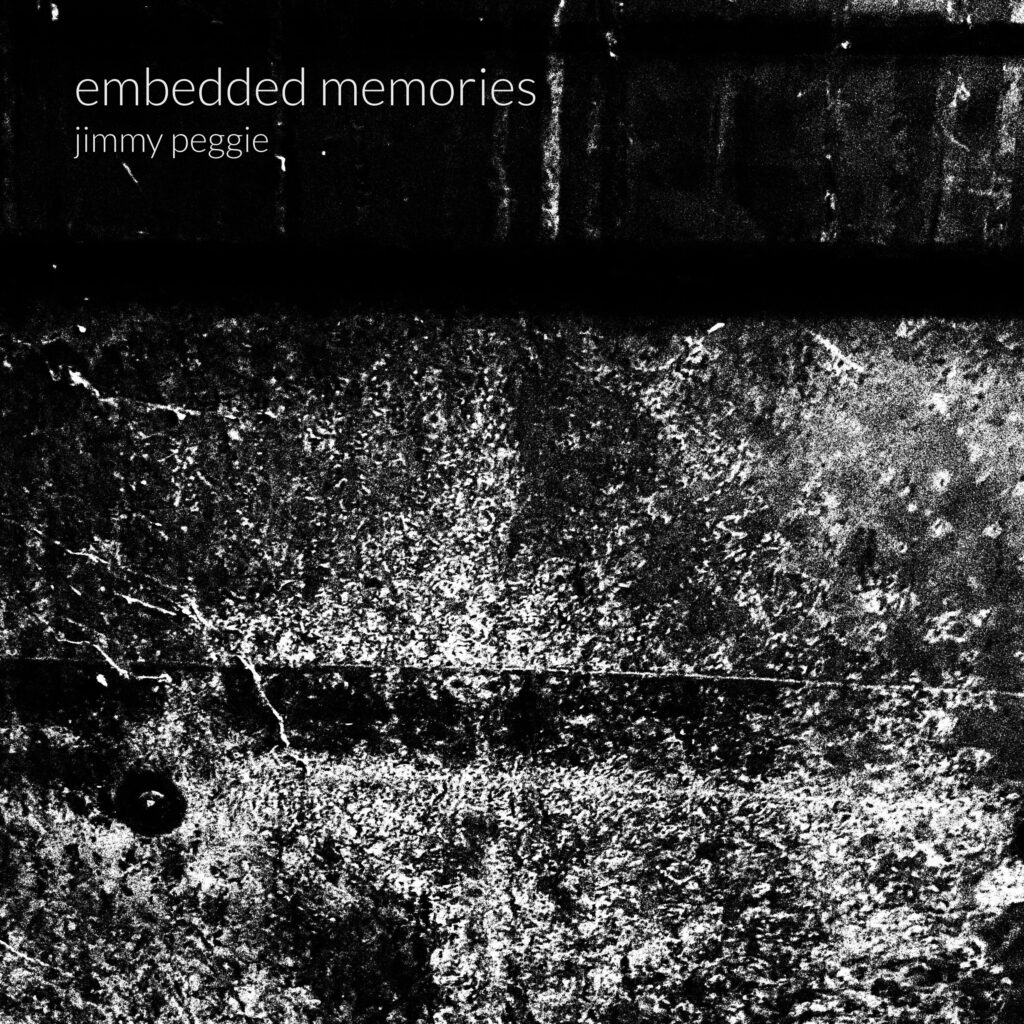
All spaces and objects hold the memory of what has gone before. Vibrations and atmospheres persist over time and are stored, layered and can be recalled. Observations from the past can be felt upon entering a space or when touching an object. This is a subtle sense that is often lost in our present noisy and distraction filled world. This sound piece is produced from recordings made of ancient habitats and artifacts aimed at revealing embedded memories.
Jimmy Peggie
Jimmy Peggie works at the intersection of sound and visual language. His practice is built on introspection, quiet intensity and deep engagement with place and time. It is rooted in observation and the subtle textures, decay and imperfections found in natural and urban environments.